


 CZ
 DE
 Slovensky (EUR)
 Austria
 Belarus
 Belgium
 Bulgaria
 Croatia
 Denmark
 Estonia
 Finland
 France
 Germany
 Greece
 Hungary
 Italy
 Latvia
 Lithuania
 Luxembourg
 Netherlands
 Norway
 Poland
 Portugal
 Romania
 Slovenia
 Spain
 Sweden
Ringo pesky - Ritega

Tugs for dogs are training and motivational tools for tug-of-war as well as for practicing a firm bite. Our tugs are made from durable K9 fabric, the same material used for decoy sleeves and protective so-called ring suits. For many dogs, tugging on a tug is a bigger reward than a treat.
Not sure which one to choose? Below we'll help you pick the right size and variant.
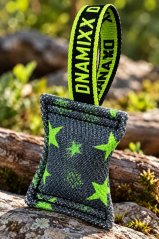
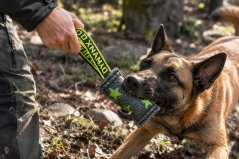
Ringo pešek ,,Mini,,
Skladem
(1 ks)
from
5,22 €
Add to Cart
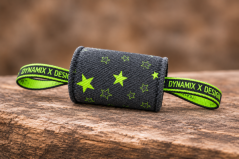
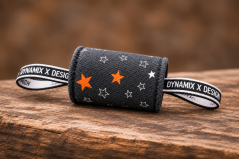
Ringo pešek ,,VÁLEC,,
Skladem
(1 ks)
20,20 €
Add to Cart

Ringo pešek PUPPY
Skladem
(5 ks)
5,87 €
Add to Cart


Ringo pešek SMALL
Skladem
(5 ks)
7,08 €
Add to Cart


Ringo pešek MEDIUM
Skladem
(5 ks)
8,46 €
Add to Cart


Ringo pešek MAXI
Skladem
(5 ks)
14,17 €
Add to Cart
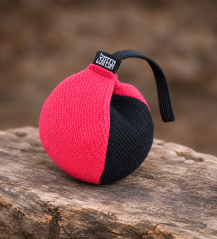
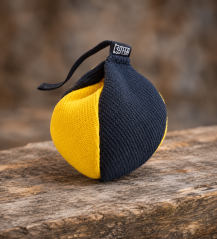
Ringo pešek ,,TEAR "
Skladem
(50 ks)
11,54 €
Add to Cart
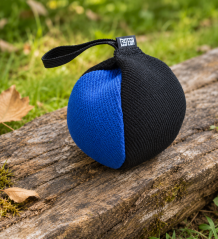
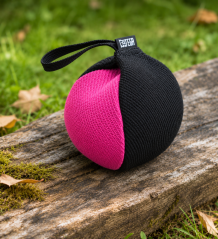
Ringo pešek ,,A TEAR,, with loop
Skladem
(50 ks)
11,70 €
Add to Cart
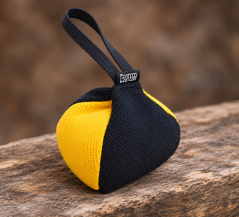
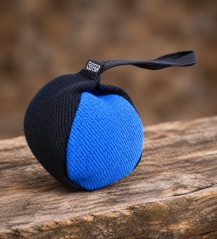
Ringo pešek ,,PEAR"
Skladem
(100 ks)
11,94 €
Add to Cart
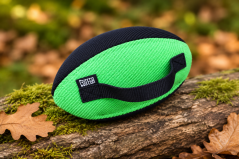
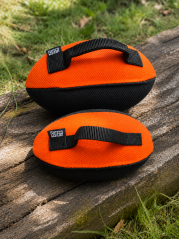
Ringo pešek ,,RAGBY" small
Skladem
(1 ks)
17,21 €
Add to Cart

Ringo pešek ,,RAGBY" big
Skladem
(1 ks)
18,18 €
Add to Cart


Ringo pešek ,,A TEAR WITH AMORTIZÉR"
Skladem
(50 ks)
18,02 €
Add to Cart
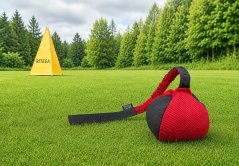
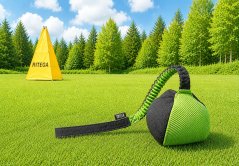
Ringo pešek ,,HRUŠKA WITH AMORTIZEREM"
Skladem
(50 ks)
18,83 €
Add to Cart

Ringo pešek ,,A TEAR WHISTLING WITH AMORTIZÉR"
Skladem
(200 ks)
18,83 €
Add to Cart

Ringo pešek ,, PUPPY" with sound
Skladem
(193 ks)
6,27 €
Add to Cart


Ringo pešek ,,TEAR " whit sound
Skladem
(30 ks)
12,35 €
Add to Cart
Tip from Ritega
The most common mistake is choosing a tug that's too small. If you're torn between two sizes, go with the larger one. It gives your dog more room for a full bite and reduces the risk of an accidental bite to your hand. For puppies teething, always choose the softest variant and tug only gently.
Frequently Asked Questions – dog tugs (FAQ)
What is a dog tug?
A dog tug is a training and motivational tool designed for tug-of-war and practicing a firm bite. It's made from durable materials, most often K9 fabric or jute, and for many dogs, tugging on it is a bigger reward than a treat. It's used in sport dog training, protection-work training, and everyday supervised play.
Which tug should I choose for a puppy?
The smallest size – Puppy or Mini. Between 4 and 6 months, while your dog is teething, tug only very gently.
What size is right for a German Shepherd or other large breed?
Medium size, or Maxi – it gives your dog room for a full bite and protects the handler's hands from an accidental bite.
One handle or two?
One handle for quick motivation and one-handed play. Two handles for better tug-of-war with both hands.
What's the difference between a tug and a dog pull toy?
A tug is a training tool intended for supervised play with the handler and for practicing a firm bite. A pull toy is a broader term – it can also be a toy left with the dog for independent chewing.
Is a tug suitable as an unsupervised toy?
No, it's a training tool intended for supervised play with the handler – without supervision, the dog risks tearing off and swallowing a piece of the filling.
Can I wash the tug in a washing machine?
No, simply wipe it with a damp cloth or rinse it and let it air dry.
What is the shock absorber on a tug for?
It cushions sudden jerks during play – protecting the joints and spine of both the dog and the handler, suitable for intense play.