

 CZ
 DE
 Slovensky (EUR)
 Austria
 Belarus
 Belgium
 Bulgaria
 Croatia
 Denmark
 Estonia
 Finland
 France
 Germany
 Greece
 Hungary
 Italy
 Latvia
 Lithuania
 Luxembourg
 Netherlands
 Norway
 Poland
 Portugal
 Romania
 Slovenia
 Spain
 Sweden
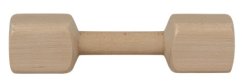
Small wooden dumbbell 650 g
Skladem
(40 ks)
12,10 €
Add to Cart
New in our shop: Aqua reflective collars and tubular webbing leashes for your four-legged friends!

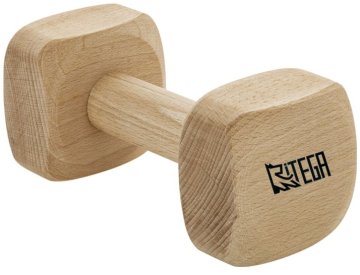
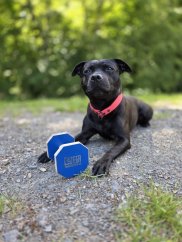
A wooden dog retrieve dumbbell, often referred to as an apport or fetch dumbbell, is an essential training tool for obedience practice, dog sports (IGP, national trial rules), obedience, and hunting training. Our wooden dumbbells are handcrafted by Ritega from solid hardwood and meet official trial regulations.
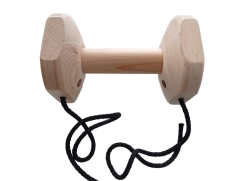
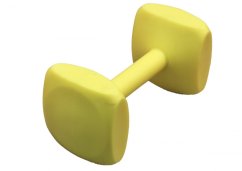
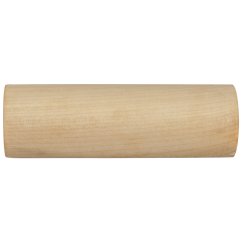
In addition to wooden models, our range includes a lightweight plastic variant and separate accessories – a cord with wooden grips and a replacement center bar for worn-out dumbbells.
Not sure which weight or shape to choose? Check our guide below to select the right dumbbell.
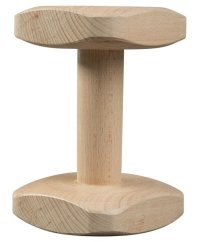






Quick selection by purpose
Weight according to age and breed
Material
Hard dried beech wood minimizes the risk of splintering. Cheap dumbbells made of soft wood (spruce, pine) chew up easily, posing a risk of splinters sticking into the gums or tongue.
Thickness of the center bar
The bar should fill roughly 60–70% of the mouth's width. A bar that is too thick falls out of the dog's mouth, while a bar that is too thin forces the dog to crunch it with its molars.
Shape of side plates
Most common buying mistakes
Who it is suitable for – and who it is not
Tip from Ritega: Not sure which variant to choose? Let us know your dog's breed (or age) and whether you plan to compete in trials or are just looking for a garden toy – we'll be happy to help with a specific model. Plus, if a dumbbell gets damaged, you don't have to buy a whole new one – simply replace the worn-out wooden center bar.